Yellowknife Outboard Motors
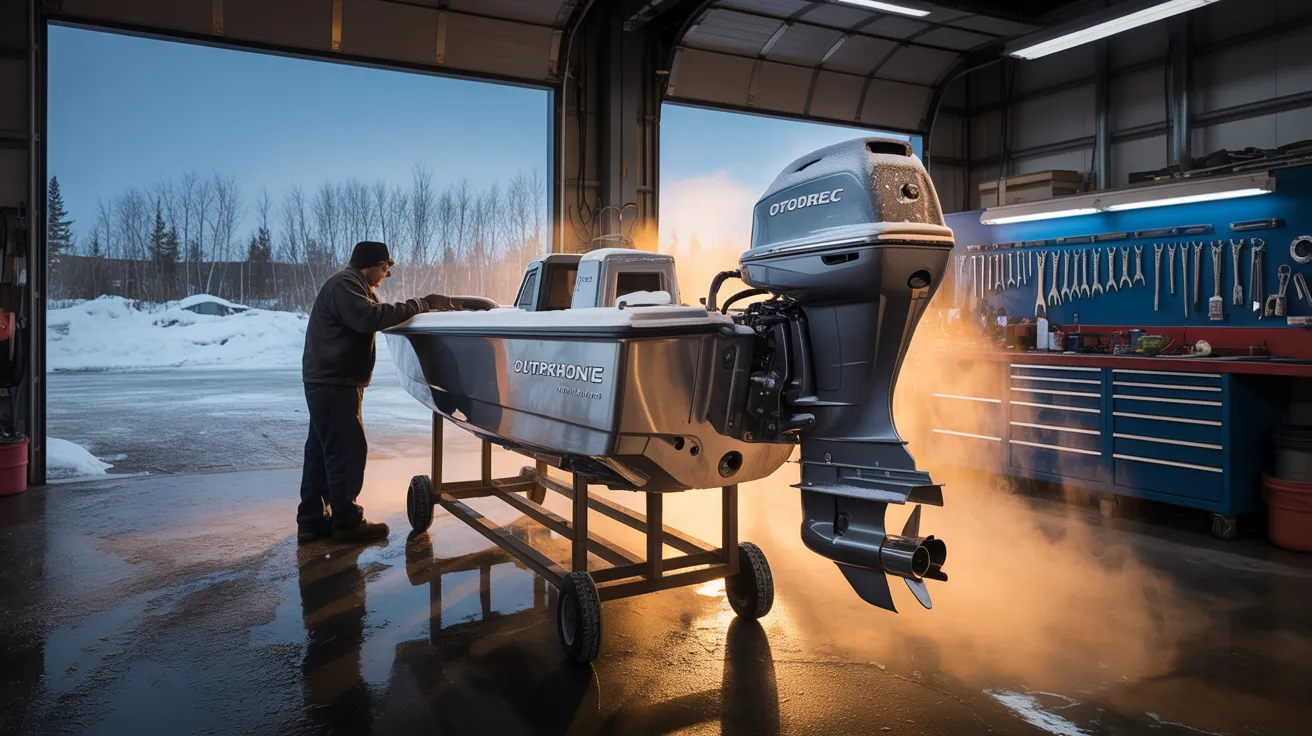
When dealing with hard water near Yellowknife, it's essential to prepare outboards as expedition kit: heating blocks prepared, AGM batteries warm and load‑tested, thick-gauge wiring, and voltage‑sensing relays. It's important to match engine power to your vessel and load, prop for full‑load WOT rpm, and implement cupped stainless wheels with ice-protected water intakes. Don't forget to track fuel settings, replace impellers as recommended, and protect lower units. Always carry PLB, replacement components, and purified fuel. Stay consistent and you'll find field‑tested upgrades that simply work.
Main Takeaways
- Experts in cold-climate boat motor configuration for Yellowknife: offering thermal protection systems, cold-rated batteries, protected wiring systems, and temperature-controlled warming units.
- Professional motor configuration and propeller optimization for substantial cargo, ensuring optimal performance and economical fuel consumption in below-zero environments.
- Ice protection features: heavy-duty skegs, shielded low-water pickup systems, corrosion-resistant cupped props, and shock-rated clutch dogs for ice protection.
- Comprehensive maintenance and diagnostics encompassing compression tests, impeller checks, anode care, ethanol-free fuel handling, and power system diagnostics.
- Our operations prioritize safety with key safety protocols such as careful fuel management with 30-50% reserve capacity, detailed float plans, redundant navigation through GPS and paper charts, and well-equipped emergency gear for offshore journeys.
Rugged Machines, Northern Waters
Out on Great Slave Lake, situations evolve rapidly, so you select hardware that withstands freezing temperatures, choppy waters, and marathon trips. You choose outboards with weatherproof cables, low-temperature control systems, and charging systems designed for freezing conditions. Arctic navigation starts with stiffer engine mounts, progressive steering torque, and props pitched for heavy hulls and headwinds. You'll favor stainless wheels with specialized edges for grip in quartering seas. For frozen conditions, you run skegs with reinforced edges and shielded drive units with protected water intakes.
Begin with block heater warm-up, cycle through synthetic 0W oils, and use heated separators to maintain dry fuel. Set elevated idle for sleety weather, then optimize neutral settings for smooth, fast planing. Stock extra impellers, spare shear pins, and emergency de-icer spray.
Get to Know the Yellowknife Techs at Your Service
Walk through the service bay doors and you'll meet techs who employ Great Slave Lake similar to a test bench. You'll see laptops talk to ECUs while multimeters track voltage drops across corroded harnesses. Our experts will analyze injector pulses, document fuel-trim data, and confirm repairs with back-to-back lake runs. Their diagnostic methods focus on root-cause isolation: compression, leak-down, spark quality, then fuel delivery, in that order.
You benefit from crews trained through rigorous apprenticeship programs. Apprentices learn from experts, with specialized equipment, learning tolerances by feel and spec. They methodically assess components, adjust drive assemblies, and position motors for smooth operation. If wear patterns appear, they evaluate, restore, and tune. If readings fluctuate, they adjust accurately, not approximate. You leave knowing all hardware, joints, and programming earned its place.
Essential Tips for Cold Weather Starting
When temperatures plummet below -30°C, starting your vehicle becomes a systematic process instead of luck. You must warm up what you can and have your tools ready for quick work. Start by checking battery conditioning: ensure an AGM or lithium battery with proper cold-weather ratings at optimal temperature, completely powered, and load-tested. Employ thick cables to limit voltage loss. Prepare the fuel rail by cycling the ignition; pay attention to the fuel pump reaching stable operation.
Set choke settings depending on engine configuration. With carbureted models, use full choke, perform two steady pulls or a short crank, then reduce to half position as it begins running. With EFI systems, skip manual choke - implement fast-idle process as detailed in your manual. Gently use acceleration to prevent engine flooding.
Use 0W synthetics for both crankcase and gearcase compartments. Check the fuel's volatility and water separation properties. Have the motor reach steady operation at a high idle before putting it in gear.
Picking the Perfect Outboard for Remote Runs
Begin by aligning the horsepower to your hull specifications, cargo capacity, and water velocity so the propeller maintains plane without lugging. Following that, assess fuel consumption during normal operation and reserve capacity while trolling to establish your viable travel distance with added capacity for adverse here conditions and detours. Select an outboard motor that meets these performance requirements, rather than focusing on the most powerful choice.
Horsepower-To-Load Match
Match engine power to the complete load you transport-including hull, crew, fuel, freight, and contingency-so the motor gets on plane and holds cruise velocity without lugging. Reference manufacturer power-to-weight specifications, then factor in surplus capacity for headwinds and choppy conditions. When deciding between sizes, choose the higher class; insufficient power can cause bouncing and slow acceleration. Verify wide-open throttle rpm with full load; adjust with proper propeller options before blaming the motor. Reduce pitch to gain rpm, increase blade area for bite, and keep diameter within gearcase limits. Implement load balancing to maintain the longitudinal center near optimal trim; shift heavy items forward to decrease bow rise. Track speed vs. rpm and fuel consumption to verify the engine performs in its efficiency spot at your typical cruise pace.
Planning Your Fuel Range
When planning remote expeditions, fuel capacity plays a vital role, and choosing the appropriate motor makes all the difference. Begin your calculations with realistic cruise rpm figures, rather than wide-open throttle readings. Log and analyze fuel usage in liters per hour, boat velocity, tidal effects, and cargo weight; compute nautical miles per liter, then validate with real-world trials. Modern four-strokes optimize fuel consumption at moderate throttle, while direct-injection two-strokes deliver power but require proper propping to maintain efficiency. Set up your propeller to reach optimal engine speed with full expedition loads.
Develop reserve fuel protocols: keep a 30% minimum fuel reserve over your calculated round-trip needs, including extra reserves for weather and current conditions. Distribute fuel volume across sanitized, protected tanks; install a fuel selector to isolate compromised fuel. Add a flow meter and precise hourly journey records. Document backup landing areas and storage points. If resources become limited, reduce speed or increase displacement.
Maintenance Strategies That Stand the Test of Time
Maintain your rig's peak performance by implementing a periodic maintenance plan: key components like plugs, impeller, anodes, thermostat, gear oil and torque verification. Manage fuel and oil maintenance with properly treated fuel, water separation, appropriate TC-W3 mixture or recommended 4-stroke oil, and strict change intervals. Prevent corrosion using specialized lubricants, corrosion-resistant fastener treatment, system cleaning with fresh water, protective coating, and sacrificial anodes monitored and replaced as needed.
Service Schedule by Season
During seasonal shifts on Great Slave Lake, a thorough service checklist ensures your outboard reliable, efficient, and ready for action. Commence with a pre-season check: confirm throttle and shift cable operation, check steering movement, secure engine-mount and transom bolts, test kill switch and lanyard, check battery cranking amps under load, and inspect harness connectors for corrosion. Assess prop blades for nicks, hub spline wear, and shaft runout. Check belt wear and tension. Clean cooling passages, confirm telltale strength, and swap anodes if pitted.
Perform a winter end inspection: inspect plugs and leads, check engine compression, swap out impeller yearly or by usage, clean screens, and confirm thermostat operation. Grease zerks, oil linkages, and inspect cowling integrity and screening.
Fuel and Oil Care
Approach fuel and oil maintenance as a vital maintenance priority: treat ethanol mixtures for storage, cycle fresh Top Tier fuel periodically, and clean out stale gas from the fuel system components before it damages the injection system. Use a premium fuel stabilizer every time you refuel if the boat could remain inactive. Change the inline filter as recommended; examine primer bulbs and clamps for leaks. Monitor rail pressure and injector performance if you notice idle fluctuations.
Align oil viscosity based on operating temperatures and manufacturer guidelines; cold weather operation with incorrect oil can harm unsuitable oil weights. Change oil and filter at proper hour intervals, rather than estimates-get routine oil testing to monitor metal particles and fuel dilution. Ensure crankcase ventilation remains unobstructed. Watch oil consumption patterns; sudden increases often indicate seal failures or ring wear. Document fuel sources, operating hours, oil types, and service intervals.
Preventing Metal Deterioration
Though aluminum and stainless steal the spotlight, the real battle is chemical: prevent oxidation, salt exposure, and galvanic action from destroying your equipment. Be sure to wash every section from powerhead to lower unit using fresh water following every run; purge salt from telltale opening and trim cylinders. Ensure everything is dry, then coat exterior fasteners with a protective coating, being careful to miss the belts. Remove the cowling, examine all grounds, and apply dielectric grease on connectors-ensuring thin, complete coverage. Verify all bonding straps are secure.
Monitor sacrificial anodes on a monthly basis and replace when half consumed. Choose the proper alloy for your water conditions: zinc in marine conditions, aluminum for mixed salinity, magnesium for fresh water. Never apply paint to anodes or seal them with any coating. Always use anti-seize when tightening stainless fittings to prevent galling. Use epoxy primer on any nicks. Position tilted at an angle for draining, disconnect the battery's negative terminal, and separate from shore power.
Northern-Ready Upgrades and Accessories
Because northern water punishes underbuilt gear, you'll want to spec improvements that reinforce your outboard and streamline winter operations. Start with cold weather carburetion: adjust jets for dense air, add primer bulbs with cold-resistant elastomers, and fit a choke linkage that won't freeze up. Safeguard electrical components with insulated battery compartments, nautical-grade tinned wire, and weatherproof breakers; install a voltage-sensing relay for split charging systems.
Fortify the lower unit with a robust protective skeg guard, intake filtration, and enhanced clutch mechanism. Implement a high-output charging system and LED diagnostics to identify failing coils before breakdown. Choose an automated block heater and quick-drain solutions for cold-weather maintenance. Upgrade to synthetic bushings, protective boots, and cold-rated grease. Conclude the setup with protective intake plugs and a reinforced transom saver for ice-rutted operations.
Accounts From Experienced Anglers and Outdoor Specialists
You might install every northern upgrade, but the results appear out on the water. You notice it in throttle notes in the early morning and feel it through the steering when the propeller grabs hold. Professionals claim you judge a motor by how it maintains speed with maximum capacity and how quickly it fires up after a cold soak.
Experienced anglers care about engine efficiency, not cosmetic details. You'll experience better engine performance if you properly warm up, use ethanol-free fuel, and match your prop pitch to your load. Expert mechanics adjust fuel mixture for cold weather running and choose sealed connectors that withstand freezing. In group sessions, members exchange key metrics: performance numbers, fuel flow, and performance improvements. Experience shows that well-maintained equipment with consistent firing, tight control, and balanced configuration lead to more catches.
Key Safety, Fuel, and Navigation Tips for Big Country
Upon encountering marshy terrain and bedrock, follow a systematic approach not trusting instinct alone. Verify atmospheric conditions, waterway status, and daylight hours. Chart your route using physical and digital maps, cross-referencing with satellite maps for route planning. Document fuel storage spots and bailout locations. Record departure time, crew numbers, and projected completion time.
Calculate fuel needs based on cruise RPM, plus factor in between 30 and 50 percent extra for weather challenges and route changes. Use only clean jerry cans with water-separating funnels; label octane level and purchase date. Check fuel system components and venting. Keep on hand replacement plugs, propeller, shear pins, and tool set.
When navigating while maintaining planing speed, keep the prop engaged; avoid hazardous areas by monitoring changes in water color and surface patterns. In case of emergency, carry a PLB on your PFD, VHF radio, signal flares, emergency mirror, and emergency whistle. Always file a float plan and schedule regular check-ins.
Frequently Asked Questions
Are Emergency On-Water Repair Services Available in the Yellowknife Area?
Yes. We offer urgent watercraft repair assistance near Yellowknife. We dispatch quick-response specialists with professional repair equipment, replacement parts, and sat-comm. We conduct on-water diagnostics at your position, identify system malfunctions, and carry out field repairs or stabilized tows. You get ETA, GPS tracking, and completion verification checks. We service all outboard engine types, fuel management systems, and control systems. Provide us your location, engine details, issues, and current situation.
What Payment Options and Financing Are Available for New Outboards?
You can select Financial Solutions with locked-in interest rates, flexible terms of 12-72 months, and Payment Deferrals for 60-90 days, subject to qualification. Like a compass aligned to true north, the structure keeps your cash flow on course. You'll need to complete a credit check, document income, and select coverage add-ons: equipment protection, anti-corrosion warranty, propeller insurance. We process all major payment methods, including cards, ACH, and certified funds. Early payoff has no penalties; rates vary by tier.
Are Demo or Rental Outboards Available for Testing?
We allow you to schedule demo runs with demo units before buying. You'll need to book an appointment and provide your ID and insurance papers. You'll complete a pre-test inspection including propeller pitch, mounting height, control connections, and fuel system preparation. On the water, you'll measure RPM versus speed, hole-shot time, trim performance, cavitation threshold, and vibration during operation. Following the trial, we'll examine engine diagnostics, fuel consumption per hour, and charging system output to ensure proper matching with your specific hull and load requirements.
What Service Wait Times Can You Expect During Peak Season?
During peak season, expect turnaround times of 2-4 weeks. The extended timeline is primarily due to component lead times and workshop capacity. Basic services generally take 7-10 working days, but tasks including diagnostics, carburetor rebuilds, or lower-unit seal replacements typically require 3-4 weeks. To speed up service, book your service in advance, pre-authorize necessary components, and provide complete model information. Though urgent fixes can be accommodated, rush fees and priority queuing will apply. Maintain spare parts onboard to prevent extended downtime.
Are Training and Certification Programs Available for New Boat Owners?
Absolutely - you can sign up for basic training and certification programs tailored for new boat owners. You'll master fundamental systems: fuel, cooling, electrical, and trim, with practical training on rigging, pre-launch checks, and emergency procedures. We'll cover berthing methods, speed management, and propeller selection. You'll master navigation fundamentals, GPS operations, VHF communications, and safety equipment requirements. Available certifications include the Pleasure Craft Operator Card and safety certifications. You'll graduate fully equipped, checklist-oriented, and prepared for safe boating.
Wrapping Up
You've observed how Yellowknife's technicians tackle brutal cold, how the perfect blend of prop, pitch, and ECU settings transforms subzero starts into everyday launches. Now it's your opportunity to set up intelligently, validate extensively, and operate smoothly. Select displacement for payload, gear ratios for current, and upkeep timing for distance. In the North, the river serves as a forge: it strengthens both machinery and operator together. Pack redundancy, plan fuel, observe weather, and you'll establish your own reliable, consistent, prepared system.